
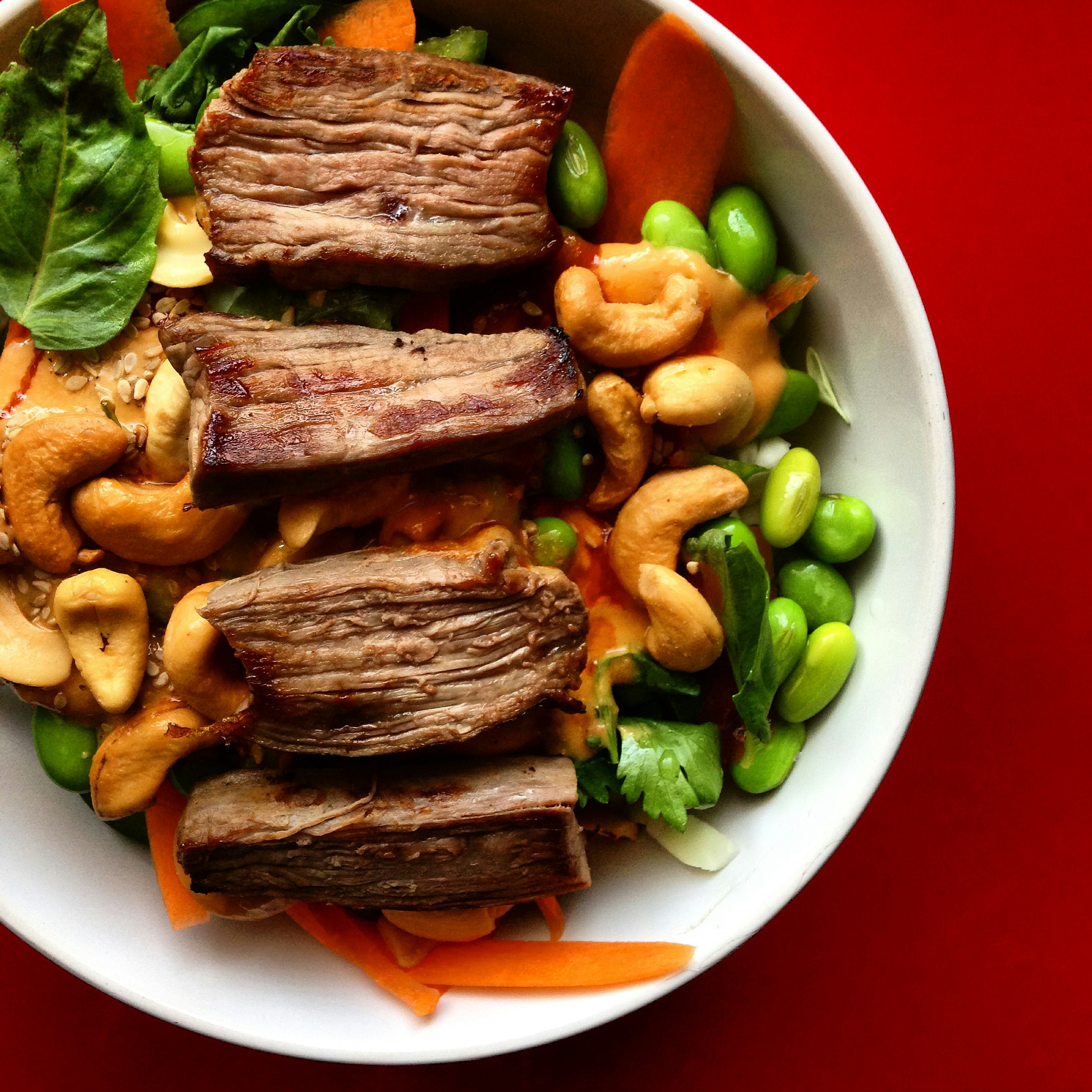
Introduction to Nanaimo-Inspired Flavors
Nanaimo, a picturesque city located on Vancouver Island in British Columbia, is renowned for its diverse culinary landscape, which draws inspiration from its natural surroundings. The region’s coastal location provides a wealth of fresh ingredients, such as an array of vegetables, fruits, and seafood, creating a unique blend of flavors that can be both sweet and savory. This harmonious balance is a hallmark of Nanaimo’s culinary tradition and underscores the importance of seasonality and freshness in local cuisine.
One of the most iconic aspects of Nanaimo’s food culture is its emphasis on layering flavors. Dishes often feature fresh, locally sourced vegetables that are enhanced by rich sauces and dressings. For example, the creamy, nutty flavor of cashew sauce beautifully complements the vibrant taste of grilled vegetables, a combination that can be traced back to the region’s innovative chefs who embrace both traditional and contemporary cooking techniques. Here, the nuts not only add creaminess but also a subtle earthiness, further enriching the palette of flavors.
Nanaimo is also famed for its desserts, particularly the beloved Nanaimo bar, which showcases the region’s inclination to blend sweet and rich ingredients artfully. This sweet treat serves as a reminder of how sweetness can coexist with savory elements in a single dish, inspiring culinary creations that celebrate this duality. The influence of these distinctive ingredients and preparation styles is evident in many neighborhood eateries that experiment with flavors drawn from the community’s rich heritage.
As we delve into the delicious layers of grilled vegetables paired with creamy cashew sauces, it becomes clear that Nanaimo’s flavors inspire a myriad of creative possibilities. The interplay of unique tastes and textures serves as an invitation to explore the local culinary scene, making every meal reflect the true essence of the region.
Understanding the Nutritional Value of Grilled Vegetables
Grilling vegetables is a culinary technique that not only enhances their flavors but also preserves their nutritional value, making them a healthful addition to any diet. When vegetables are grilled, the high temperature caramelizes their natural sugars, intensifying their taste while creating a satisfying texture. Importantly, grilling vegetables helps retain much of their essential nutrients, such as vitamins A and C, potassium, and dietary fiber. These nutrients are crucial for maintaining overall health, supporting immune function, and promoting digestive well-being.
Incorporating a variety of seasonal vegetables into one’s diet can further enhance the nutritional profile of meals. Different vegetables offer unique health benefits due to their varying vitamin and mineral content. For example, bell peppers are rich in vitamin C and antioxidants, while zucchini boasts high water content and essential minerals like magnesium. This multiplicity demonstrates that consuming a diverse array of grilled vegetables can ensure intake of a balanced mix of nutrients conducive to improved health.
When selecting vegetables for grilling, it is advisable to choose seasonal options, as they tend to be fresher, more flavorful, and often more economical. Local farmers’ markets can be an excellent resource for acquiring seasonal produce, as they frequently offer freshly harvested vegetables at peak ripeness. Seasonal vegetables could include asparagus, tomatoes, eggplants, peppers, and summer squash, all of which grill exceptionally well and contribute distinct tastes and textures to dishes.
In summary, the nutritional benefits of grilling vegetables extend beyond mere flavor enhancement. The technique preserves essential vitamins and minerals while promoting a varied intake of vegetables, yielding a foundation for a healthy diet that is rich in nutrients and flavors.
Crafting the Perfect Creamy Cashew Sauce
Creating a creamy cashew sauce is an essential step in elevating dishes, particularly when paired with grilled vegetables. The base ingredient, raw cashews, needs special attention. Opt for high-quality, raw cashews for the best flavor and texture. It is crucial to soak the cashews in water for at least four hours or overnight. This soaking process not only softens the nuts but also enhances their blendability, resulting in a smoother sauce. For those pressed for time, a quick soak in boiling water for 30 minutes may suffice.
Once the cashews are adequately soaked, draining and rinsing them is vital before blending. Adding a touch of water is important, but the amount can vary depending on the desired consistency. A good balance of creaminess can be achieved by starting with a smaller amount of water and gradually increasing it as needed. For extra flavor, consider incorporating a garlic clove, a squeeze of lemon juice, or nutritional yeast into the mixture. This helps create a tangy, savory depth that complements the sweetness of grilled vegetables.
Blending the ingredients should be done thoroughly to achieve a velvety texture. A high-speed blender is an excellent choice, as it can easily pulverize the cashews and other components into a uniform consistency. Once blended, taste the sauce and adjust the seasoning. Adding salt and pepper enhances the flavor profile significantly. For a twist, experiment with herbs like basil or cilantro, which can introduce a fresh, aromatic finish to the sauce.
Variants of the creamy cashew sauce can also be explored. For a spicy kick, incorporate jalapeños or sriracha. Alternatively, adding roasted red peppers can offer a smoky flavor. Each version will not only elevate the grilled vegetables but also serve as a versatile dressing for salads or grain bowls.
Layering Techniques for Grilled Vegetable Dishes
Creating visually appealing and delicious grilled vegetable dishes hinges significantly on effective layering techniques. The art of layering involves not just stacking components but thoughtfully integrating colors, flavors, and textures to craft an impressive presentation that excites the palate. The first step in this process is to select a variety of vegetables, each bringing its distinct color and flavor profile to the dish. For instance, vibrant bell peppers, zucchini, and grilled eggplants can form a stunning base, while toppings like roasted tomatoes add a burst of red to elevate the aesthetic appeal.
As you prepare to layer your grilled vegetables, consider the cooking methods employed. Grilling imparts a smoky flavor that adds depth to each layer. Cooking vegetables to different levels of doneness can also enhance texture diversity within the dish. For instance, lightly charred asparagus against tender squash creates an interesting contrast that is pleasing to both the eye and the mouth. Aim to alternate between softer and firmer vegetables, as this will ensure that each bite provides a unique experience.
Additionally, the utilization of sauces is pivotal in tying various layers together. Incorporating a creamy cashew sauce, for example, not only introduces a rich flavor element but also serves to meld the components cohesively. Drizzle the sauce generously between layers; this practice not only enhances moisture levels but also accentuates the vibrant colors of the grilled vegetables. Consider finishing with fresh herbs, which can heighten the freshness while contributing to the visual appeal. Ultimately, the key to successful layering lies in striking a balance between aesthetics and taste, ensuring that each layer is not only a feast for the eyes but also an adventure for the palate.
Pairing Suggestions for the Grilled Vegetable Dish
When it comes to enhancing the experience of grilled vegetable layers with creamy cashew sauce, selecting the right pairings is crucial. A well-composed meal not only satisfies the palate but also creates a delightful symphony of flavors. Here are some suggestions that complement this dish beautifully.
Starting with grains, consider serving the grilled vegetable layers alongside quinoa or farro. These grains not only provide a nutty flavor, but they also add texture and nutritional value to the meal. Quinoa, in particular, is a protein-rich option that pairs harmoniously with the richness of the cashew sauce. Alternatively, a serving of brown rice can offer a heartier base that complements the grilled vegetables without overpowering their natural taste.
For those inclined toward side dishes, a fresh arugula salad tossed with lemon vinaigrette could serve as a refreshing contrast. Arugula’s peppery notes and the zesty dressing will balance the creaminess of the cashew sauce. Another excellent side option is roasted potatoes, seasoned with herbs, that would echo the grilled flavors and add a satisfying crunch to each bite.
In terms of beverages, selecting the right wine can elevate your dining experience. A crisp Sauvignon Blanc or a light Pinot Grigio can enhance the dish without overwhelming it, as these wines possess the acidity to cut through the richness of the sauce. For those looking for non-alcoholic options, a sparkling water infused with citrus brings a refreshing clean palette between bites.
If protein is desired, grilled chicken or firm tofu can both work well. The added protein offers further sustenance while allowing the flavors of the vegetables and sauce to remain the focus. In conclusion, these pairing suggestions afford an opportunity to craft a complete meal that accentuates the delightful layers of grilled vegetables with creamy cashew sauce, ensuring an enjoyable and satisfying dining experience.
Introducing Blueberry Oat Bars: A Perfect Dessert
Blueberry oat bars represent a delightful and nutritious dessert option that has gained popularity among health-conscious individuals seeking balance in their diets. These bars expertly blend wholesome ingredients, primarily oats and fresh blueberries, creating a treat that is both satisfying and guilt-free. The delightful combination of flavors and textures makes blueberry oat bars an ideal choice for various occasions, from snack time to dessert after a hearty meal.
At the forefront of their appeal is the natural sweetness of ripe blueberries, which brings a burst of flavor that resonates with those who enjoy fruit-based desserts. Coupled with the hearty texture of oats, these bars deliver a satisfying chewiness that contributes to their overall enjoyment. The oats not only enhance the taste but also provide significant health benefits; they are a rich source of fiber, which aids in digestion and promotes a feeling of fullness. This makes blueberry oat bars a suitable option for people who are looking to maintain or lose weight while still indulging in a delicious treat.
In addition to their taste and texture, blueberry oat bars can be easily customized to accommodate various dietary preferences. For instance, alternative sweeteners can be used to cater to those preferring a lower sugar intake, while nut or seed butters can enhance flavor profiles and add healthy fats. This versatility makes them an appealing choice for a wide array of dietary restrictions, allowing everyone to enjoy a delightful dessert that is also nutritious. By incorporating these wholesome ingredients into your diet, you can savor a dessert that satisfies your cravings while contributing positively to your overall health.
How to Prepare Blueberry Oat Bars: Ingredients and Steps
Blueberry oat bars are a delightful and nutritious treat, combining the wholesome goodness of oats with the natural sweetness of blueberries. To begin, gather the following ingredients: 2 cups of rolled oats, 1 cup of fresh or frozen blueberries, 1/2 cup of almond butter (or a nut-free alternative), 1/4 cup of honey or maple syrup, 1/2 teaspoon of vanilla extract, 1/2 teaspoon of salt, and 1/2 teaspoon of baking powder. For those with dietary restrictions, gluten-free oats can be used to maintain a gluten-free status, while agave syrup or mashed bananas can serve as a vegan substitute for honey.
Once your ingredients are assembled, commence the preparation by preheating the oven to 350°F (175°C). Line an 8×8-inch baking pan with parchment paper to ensure easy removal after baking. In a large bowl, combine the rolled oats, baking powder, and salt. If you prefer a bit of texture, consider toasting the oats in a dry pan over medium heat for several minutes before mixing. This will enhance the flavor without compromising the health benefits.
Next, incorporate the almond butter, honey (or maple syrup), and vanilla extract into the dry mixture. Stir until well combined, ensuring that the oats are evenly coated. Gently fold in the blueberries, being cautious not to mash them, preserving their shape for a more appealing presentation. After achieving an even mixture, transfer it to the prepared baking pan, pressing down firmly to create an even layer.
Bake the bars in the preheated oven for about 25 to 30 minutes, or until the edges turn golden brown. Allow them to cool completely in the pan before cutting into squares. This cooling phase is essential for achieving the ideal texture. Store the bars in an airtight container for up to a week, or freeze for long-term storage. These blueberry oat bars are not only simple to prepare but also adaptable to various dietary needs, making them a versatile option for any snack occasion.
Nutritional Benefits of Blueberry Oat Bars
Blueberry oat bars are not just a delightful treat; they offer a myriad of nutritional benefits that make them a valuable addition to a healthy diet. One of the most significant components of this snack is oats, which are renowned for their high fiber content. Fiber plays a crucial role in digestive health by promoting regular bowel movements and aiding in the maintenance of healthy cholesterol levels. Incorporating fibers into the diet can also promote a feeling of fullness, which may assist in appetite control and weight management.
Furthermore, oats are a source of complex carbohydrates, which provide sustained energy that is essential for daily activities. Unlike simple carbohydrates, complex carbohydrates break down more slowly, leading to more stable blood sugar levels. This makes blueberry oat bars an excellent option for those engaging in physical activities or looking for a nutritious snack to power through the day.
In addition to the benefits of oats, blueberries themselves are packed with antioxidants, particularly vitamin C and flavonoids. These antioxidants help combat oxidative stress and inflammation in the body, contributing to overall health. Regular consumption of blueberries has been linked to improvements in cognitive function and heart health, thanks to their ability to improve blood flow and lower blood pressure. Moreover, the combination of high fiber and antioxidants makes blueberry oat bars an ideal snack for individuals seeking to boost their daily intake of essential nutrients.
With their blend of oats and blueberries, these bars provide a convenient and delicious means of supporting a balanced diet. They are versatile and can easily be integrated into various meal plans, whether served as a snack, part of breakfast, or even as a healthier dessert option. Incorporating blueberry oat bars into your lifestyle not only satisfies a sweet tooth but also supports overall health and wellness.
Serving Ideas and Storage Tips for Blueberry Oat Bars
Blueberry oat bars are a versatile treat that can be enjoyed in various ways, making them an excellent choice for both presentation and snacking. To serve these delightful bars attractively, consider cutting them into uniform squares or rectangles to create an appealing arrangement. You can place the bars on a rustic wooden platter or a colorful serving tray, allowing their vibrant color to stand out. Garnishing with a sprinkle of oats or a few fresh blueberries adds visual interest. For a more indulgent experience, serve with a dollop of Greek yogurt or a side of creamy cashew sauce, which enhances the flavors beautifully.
When it comes to storage, proper techniques are essential to maintaining the freshness of your blueberry oat bars. Once the bars have cooled completely, store them in an airtight container at room temperature for up to three days. For longer storage, consider refrigerating them; they can last up to a week when kept in the fridge. To extend shelf life even further, you may freeze the bars. Simply wrap them individually in plastic wrap or aluminum foil, then place them in a freezer-safe container. Frozen blueberry oat bars can last up to three months, making them an ideal option for meal prep or on-the-go snacking.
For those looking to enjoy these delicious bars at a later date, thawing is simple. Just allow the bars to sit at room temperature for about 30 minutes or reheat them briefly in the microwave. With these creative serving ideas and effective storage tips, you can enjoy blueberry oat bars any time, ensuring they remain a convenient and flavorful choice for both everyday snacks and special occasions.