
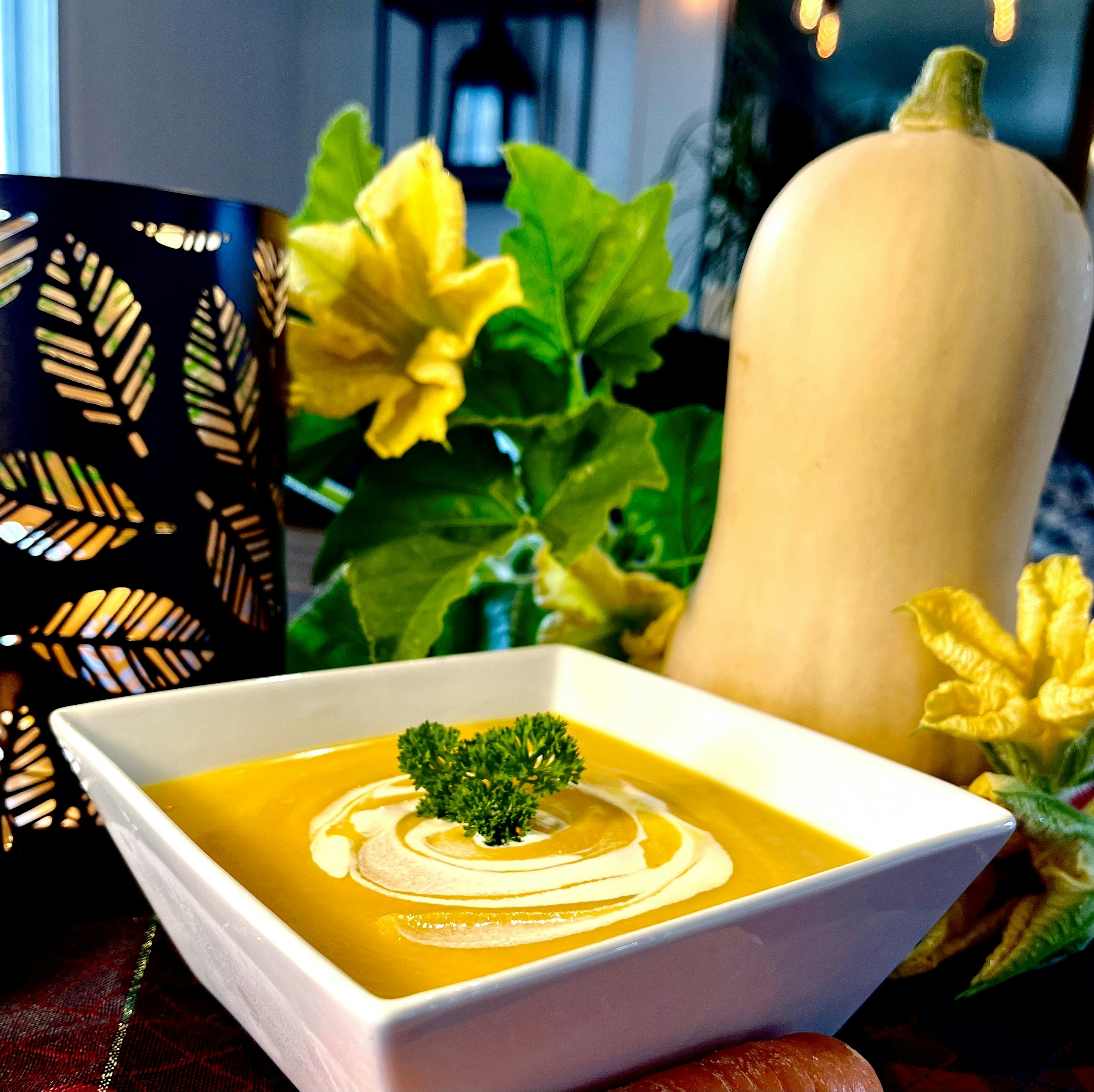
Introduction to Roasted Squash Soup
Roasted squash soup is a quintessential comfort food that elevates the experience of dining during colder months. Its creamy texture and rich flavor profile make it an ideal choice for those seeking warmth and nourishment on chilly days. In numerous kitchens across various cultures, this soup has become a beloved staple, often served as a hearty starter or a satisfying main dish.
The foundation of roasted squash soup typically includes a variety of seasonal squashes, such as butternut, acorn, or pumpkin, which lend their natural sweetness and earthiness to the dish. Essential ingredients often comprise onions, garlic, and vegetable or chicken stock, which enhance the overall flavor while providing a wholesome base. The combination of these ingredients creates a delightful balance of creaminess and nutrition, making it suitable for both casual meals and more refined dining occasions.
What truly distinguishes roasted squash soup is the unique touch of maple sweetness. This exquisite addition not only complements the flavors of the squash but also introduces a subtle depth that resonates with the essence of autumn. The incorporation of maple syrup—as a glaze during the roasting process or as a finishing drizzle—imparts a warm, inviting sweetness that enhances the soup’s appeal and transforms it into an indulgent treat.
As the temperatures drop and the leaves begin to change color, roasted squash soup emerges as a comforting reminder of the season. Served hot, it envelops the senses with its inviting aroma and vibrant hues, embodying the spirit of cozy gatherings and shared moments. Whether enjoyed solo or paired with crusty bread, this creamy soup promises to warm both the body and soul, making it an essential addition to your culinary repertoire.
The Nutritional Benefits of Squash
Squash, a versatile vegetable often enjoyed in various culinary forms, boasts a rich nutritional profile that contributes to overall health. It is particularly valued for its low calorie content, making it an excellent option for those seeking a guilt-free comfort food. With a variety of squash types including butternut, acorn, and delicata, each type delivers its own unique set of nutrients, but they generally share a wealth of vitamins, minerals, and antioxidants.
One of the standout features of squash is its high vitamin A content, primarily in the form of beta-carotene. This antioxidant is essential for maintaining healthy vision, supporting immune function, and promoting skin health. In addition to vitamin A, squash is a significant source of vitamin C, which plays a crucial role in collagen production, enhances immune defenses, and aids in the absorption of iron from plant sources. The presence of vitamins B6 and E further contributes to the vegetable’s appeal, supporting energy metabolism and providing antioxidant properties.
Minerals such as potassium and magnesium can also be found abundantly in various squash varieties. Potassium is vital for maintaining healthy blood pressure levels and muscle function, while magnesium supports bone health and energy production. Moreover, the rich fiber content found in squash aids in digestion and helps to maintain a feeling of fullness, which can be particularly beneficial for weight management.
The incorporation of squash into meals, particularly in soups, offers a convenient and delicious way to enjoy these health benefits. By savoring a bowl of roasted squash soup with maple flavors, individuals not only delight in its creamy texture but also nourish their bodies with essential nutrients. Thus, the consumption of squash can play a significant role in improving overall well-being.
Selecting the Perfect Squash
When embarking on the delightful journey of crafting a roasted squash soup, the initial and crucial step is selecting the right type of squash. Among the most popular varieties for this purpose are butternut, acorn, and pumpkin, each bringing unique flavors and textures to your dish. Understanding their characteristics allows you to create a soup that is not only creamy but also bursting with freshness.
Starting with butternut squash, it is preferred for its naturally sweet flavor and smooth texture once roasted. A well-chosen butternut squash should have a tan-colored skin that is firm and free from blemishes. Look for individuals that feel heavy for their size, indicating ripeness and good moisture content. The best time to purchase butternut squash typically spans from September to March, aligning with its peak season.
Acorn squash, another excellent option, offers a slightly nutty taste and a creamy texture. This variety is easily identifiable by its green exterior, often adorned with orange or yellow stripes. When selecting acorn squash, examine the firmness of the skin; it should be solid without any soft spots. Optimal buying months for acorn squash are from late summer through fall, ensuring a flavorful experience.
Lastly, pumpkin, particularly the varieties known for culinary uses such as sugar pumpkins, are a classic choice for soups. A quality pumpkin should exhibit a deep orange hue and a sturdy skin. Press the skin to assess for firmness, avoiding any that feel overly soft or have wrinkling. Pumpkins are prevalent in grocery stores from early autumn until Thanksgiving, making it an easy find for soup preparation.
By being mindful of these characteristics and seasonal availability, you can ensure that the squash you choose will contribute to a rich, flavorful base for your roasted squash soup, accentuating its maple sweetness and delivering comfort in every bowl.
Roasting Squash: Techniques and Tips
Roasting squash is a simple yet effective method to elevate its natural flavor, transforming it into a rich and creamy base for soups. The first step is to select the right type of squash; varieties such as butternut, acorn, and delicata are popular choices, each offering distinct flavors. Begin by preparing the squash: wash it thoroughly, and then proceed to peel if the variety requires it. For many types, such as butternut, a sturdy vegetable peeler works best. After peeling, cut the squash in half lengthwise, scoop out the seeds with a spoon, and slice it into uniform cubes to ensure even roasting.
Seasoning is key to enhancing the parmesan flavor of roasted squash. A simple mixture of olive oil, salt, and pepper provides a classic foundation, but you can experiment with additional spices. Combinations like cinnamon, nutmeg, and even a hint of cayenne can introduce complementary warmth and complexity. Alternatively, consider a sprinkle of brown sugar or maple syrup to accentuate its inherent sweetness, which will meld beautifully during the roasting process.
For optimal roasting, preheat your oven to 400°F (200°C). Spread the seasoned squash cubes in a single layer on a baking sheet to maximize caramelization. Roasting typically takes about 25 to 30 minutes; however, keep an eye on them. You will know they are done once they are golden-brown and tender when pierced with a fork. Incorporating other roasted vegetables, such as carrots or sweet potatoes, can add additional flavor depth to your squash soup. The smoky, earthy undertones from various vegetables harmonize perfectly with the sweetness of roasted squash, creating a well-rounded dish. This method not only enhances the natural flavors but also sets the stage for a deliciously comforting soup.
Creating the Creamy Base
To achieve the signature creamy texture of roasted squash soup, the process begins with selecting the right type of squash—such as butternut, acorn, or Kabocha—which will provide a naturally smooth consistency when puréed. Roasting the squash enhances its sweetness and deepens the flavor, making the final product even more appealing. After roasting, it is essential to let the squash cool slightly before handling, allowing the natural steam to soften the flesh further.
When it comes to puréeing the squash, you have several options. A high-quality blender is an excellent choice for achieving a silky-smooth finish. Simply transfer the roasted squash to the blender, add your choice of broth (vegetable or chicken) to reach your desired consistency, and blend until you achieve an even texture. For those who prefer a simpler approach, an immersion blender can also be highly effective. This tool allows you to purée the soup directly in the pot, minimizing cleanup and retaining the warmth of the mixture.
In addition to the squash, adding cream or a dairy-free alternative such as coconut milk significantly contributes to the velvety mouthfeel that characterizes the soup. Incorporating these elements gradually enables you to control the creaminess level and personal preference for richness. For individuals looking to lower calories, alternatives like unsweetened almond milk can be substituted without compromising the comforting quality that roasted squash soup offers.
Adjusting the consistency is an essential part of the preparation. If a thinner soup is desired, adding extra broth is advisable. Conversely, if a thicker and heartier texture is preferred, allow the soup to simmer a bit longer after puréeing, which will give it a more robust feel. Ultimately, the goal is to create a luscious and comforting bowl of soup that appeals to various tastes and preferences.
Adding Maple Sweetness
Incorporating maple syrup into roasted squash soup not only infuses a natural sweetness but also creates a harmonious balance with the earthy flavors of the squash. Maple syrup, an emblem of the Canadian autumn, enhances the soup’s flavor profile, making it a delightful experience in every spoonful. When selecting maple syrup, it is advisable to choose high-quality, pure syrup, as it provides a richer and more complex sweetness compared to artificial sweeteners.
Timing is crucial in the cooking process when adding maple syrup. It is best to introduce the syrup towards the end of cooking to maintain its nuanced flavor. This allows the sweetness to meld with the roasted squash without being overpowered by the other ingredients. Start by adding a small amount, typically about one to two tablespoons, and adjust based on personal taste preferences. Keep in mind that the natural sweetness of the squash will also play a pivotal role in the overall flavor, thus warranting a gentle hand in the application of maple syrup.
For those who may have dietary restrictions or prefer alternative sweeteners, several options can be considered. Honey, agave nectar, or coconut sugar can serve as substitutes, although they might subtly alter the flavor profile of the soup. Each alternative brings its unique characteristics, ensuring that everyone can enjoy this comforting bowl of soup, regardless of their dietary needs.
Ultimately, the addition of maple syrup elevates the roasted squash soup, enhancing its warmth and richness. The result is a velvety texture paired with a perfectly sweet harmony that will leave a lasting impression on the palate.
Seasoning and Flavor Enhancements
Seasoning plays a pivotal role in transforming roasted squash soup into a culinary delight. The natural sweetness of the squash can be complemented through a thoughtful selection of herbs and spices. For instance, warm spices such as nutmeg and cinnamon not only enhance the soup’s flavor profile but also add comforting warmth that is especially appealing during the colder months. These spices should be added judiciously, allowing the inherent flavors of the squash to shine through. A little goes a long way, so it is advisable to start with a pinch and gradually adjust to preference.
Moreover, incorporating fresh herbs can elevate the overall taste. Herbs like thyme or sage can provide a refreshing contrast to the sweet notes of the squash. When using fresh herbs, it is best to add them towards the end of the cooking process to retain their vibrant flavor and color. This technique ensures that the herbaceous qualities enhance rather than overpower the soup’s essence.
One essential tip in seasoning is to taste as you go. This practice not only allows for a more tailored flavor but also helps balance the sweetness from the squash with a bit of acidity or saltiness. A splash of lemon juice or a dash of sea salt can help in achieving a well-rounded profile, allowing all elements of the dish to harmonize beautifully. Additionally, it is important to remember that flavors will develop as the soup simmers, so be mindful of not over-seasoning in the initial stages. This gradual approach to flavor enhancement ensures a deeply satisfying and well-balanced roasted squash soup.
Serving Suggestions and Pairings
When it comes to enjoying roasted squash soup, presentation and flavor pairing play key roles in enhancing overall dining experience. For a touch of elegance and extra flavor, consider garnishing your soup with toasted seeds such as pumpkin or sunflower seeds. These seeds not only add a delightful crunch but also contribute nutritional benefits, enriching the dish’s profile. Fresh herbs like cilantro, parsley, or chives can elevate the flavors, bringing a refreshing contrast to the creamy soup. A light drizzle of heavy cream or a swirl of coconut milk not only adds richness but also creates a visually appealing presentation.
To complement the roasted squash soup, a variety of side dishes can be considered. A simple mixed greens salad dressed with a light vinaigrette provides a fresh counterbalance to the soup’s creamy texture. Alternatively, crusty bread, such as a homemade baguette or artisanal bread, is perfect for dipping, ensuring no drop of the flavorful broth goes uneaten. For a heartier option, grilled cheese sandwiches made with sharp cheddar or a blend of cheeses can enhance the meal, making it a satisfying comfort food experience.
Selecting the right beverage can further elevate your dining experience. A glass of crisp white wine, such as Sauvignon Blanc or a lightly chilled Chardonnay, pairs well with the soup, accentuating its natural sweetness. If you prefer non-alcoholic options, consider serving the soup with a tangy apple cider or a refreshing herbal tea, both of which can support the flavors of the roasted squash. These thoughtful pairing options not only enhance the soup but also create a harmonious culinary experience, inviting friends and family to savor together in a delightful meal.
Variations and Customizations
Roasted squash soup is a versatile dish that can cater to a variety of tastes and dietary preferences. By tailoring the ingredients and methods of preparation, one can create numerous variations to appeal to different palates. For instance, incorporating proteins like diced chicken, turkey, or even chickpeas can turn the soup into a heartier meal. These additions not only enhance the nutritional value but also create a lovely contrast in texture.
Additionally, vegetables can be varied to introduce new flavors and colors. Consider adding ingredients like carrots, sweet potatoes, or even a hint of ginger for an aromatic twist. Roasting these vegetables beforehand, much like the squash, will add depth and complexity to the soup’s profile. Some may prefer a spicier version; thus, including elements like jalapeños or red pepper flakes can provide a warm kick, catering to those who enjoy heat in their dishes.
In terms of adjusting sweetness, the traditional maple syrup can be replaced or complemented with honey or agave nectar, enabling you to control the level of sweetness effectively. For those who prefer a lower sugar option, using unsweetened coconut milk or vegetable broth can maintain creaminess without added sweeteners. Alternatives like almond or cashew cream serve as excellent substitutes, providing nutty undertones while catering to those with lactose intolerance or dairy allergies.
Furthermore, garnishing plays a pivotal role in enhancing the dish’s presentation and flavor. Topping the soup with roasted seeds, fresh herbs like cilantro or parsley, or a dollop of crème fraîche can add an appealing finish. These customizations encourage readers to experiment widely with the base recipe, allowing for the creation of a personal touch that elevates the overall dining experience.